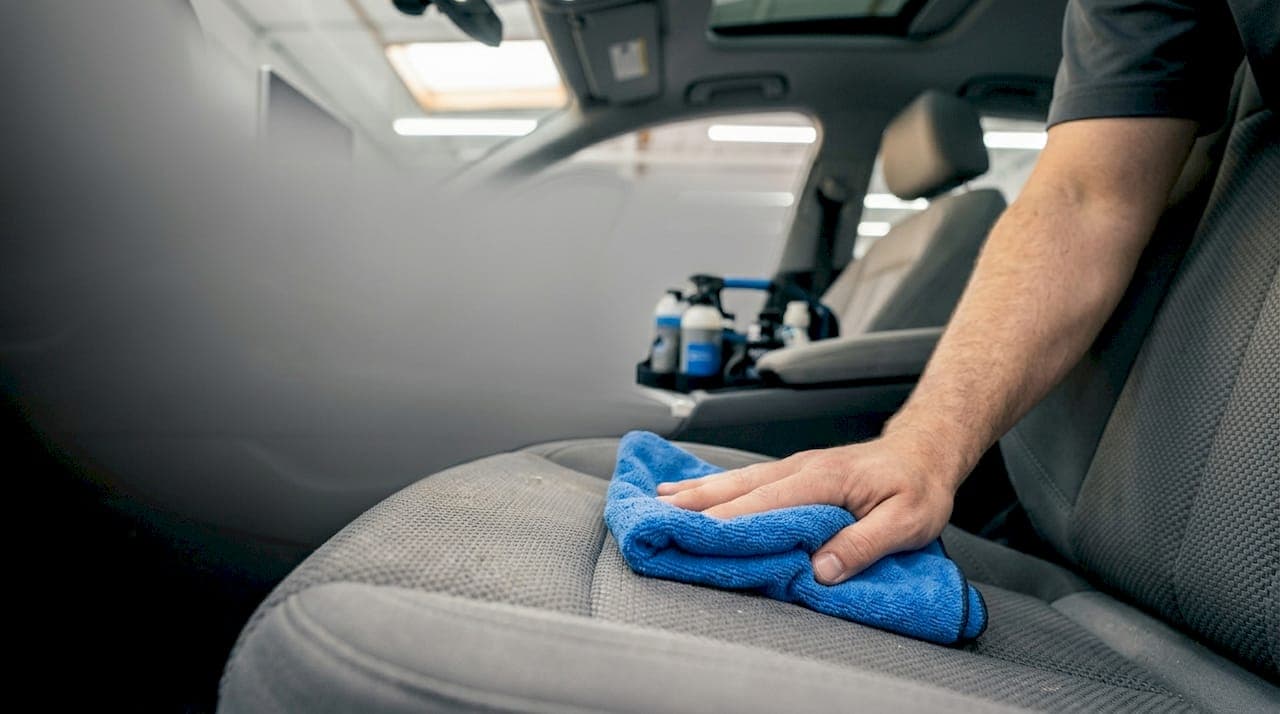
Interior detailing is the comprehensive cleaning, conditioning, and protection of every surface inside your vehicle, going far beyond what a standard car wash or quick vacuum achieves. Dictionary.com defines detailing as thorough cleaning combined with minor repairs to improve appearance, with interior detailing covering the full cabin. The industry term professionals use is interior reconditioning when restoration work is involved, though "interior detailing" is the widely accepted standard for the complete process. If you've ever wondered what does interior detailing mean in practical terms, the short answer is this: it's a systematic, multi-step treatment of every material inside your car, from leather seats and fabric carpets to plastic trim and glass surfaces. Andrewsdetail treats each vehicle as a unique project, matching products and techniques to the specific materials inside rather than applying a one-size-fits-all approach.
What does interior detailing mean, step by step?
Interior detailing follows a precise sequence that begins with thorough vacuuming and ends with protective treatments. Skipping steps or reversing the order causes recontamination, which means you'd be cleaning surfaces that then get dirty again from the next step. The sequence matters as much as the products.
Here is the standard interior detailing process used by professional services:
- Full cabin vacuuming. Every seat, carpet, floor mat, trunk, door pocket, and vent gets vacuumed with multiple attachments. Crevice tools pull debris from between cushions and seat tracks where a standard vacuum never reaches.
- Fabric and carpet shampooing or steam extraction. Hot-water extraction machines clean fabric and carpets more deeply than surface scrubbing and reduce moisture retention, which minimizes odor and mildew risk. Steam cleaning is the preferred method for heavily soiled interiors.
- Leather cleaning and conditioning. Leather seats and trim get cleaned with pH-balanced leather cleaners, then conditioned to restore suppleness. Skipping the conditioning step after cleaning is one of the most common mistakes. Dry leather cracks, and cracked leather is expensive to repair.
- Hard surface treatment. The dashboard, center console, door panels, and trim are cleaned with non-abrasive interior cleaners, then protected with UV-blocking dressings. This step prevents the fading and brittleness that sunlight causes over time.
- Odor elimination. Ozone generators or antibacterial sprays neutralize odors at the source rather than masking them. Smoke, pet dander, and food smells require this step to be fully resolved.
- Interior glass cleaning. Windows and mirrors are cleaned with streak-free glass cleaners applied with microfiber cloths. Interior glass collects an oily film from off-gassing plastics, which reduces visibility more than most drivers realize.
Pro Tip: Always clean interior glass last. Cleaning it earlier means overspray from other products will land on it and force you to redo the work.
How does interior detailing differ from basic car cleaning?
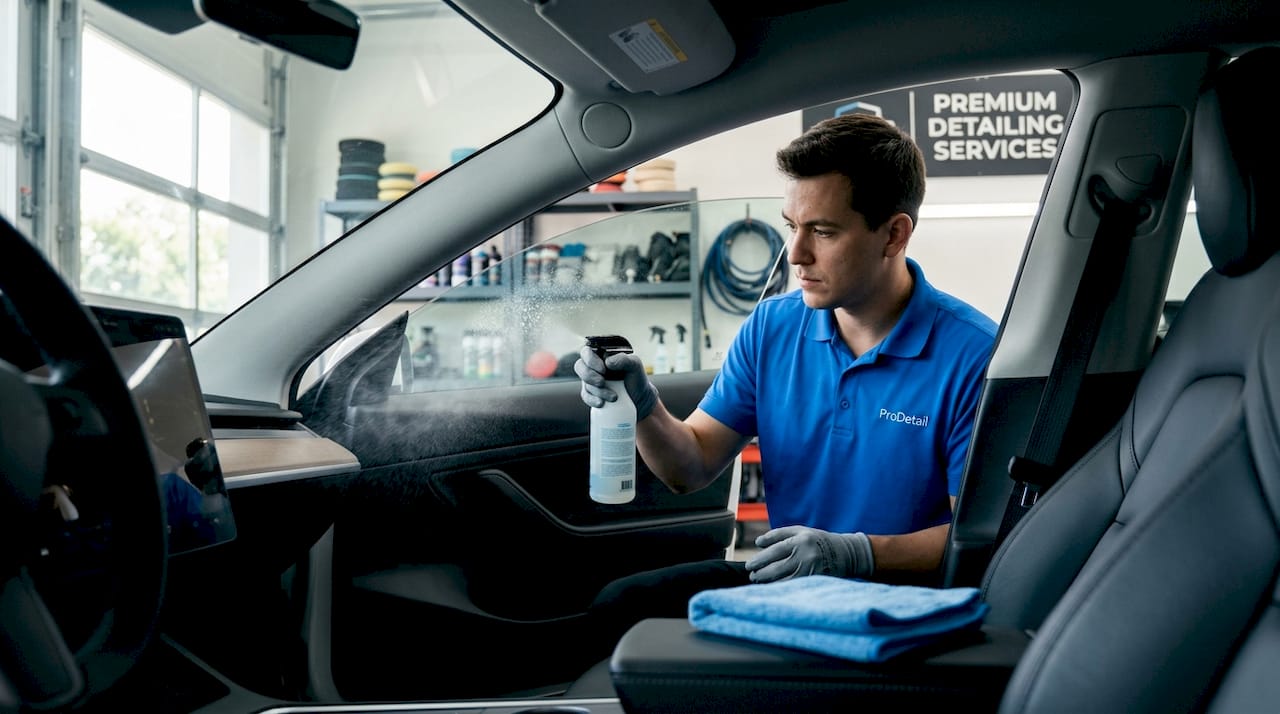
Basic car cleaning and professional interior detailing are not the same service. The difference lies in depth, tools, and the goal of each process.
A standard car wash or home cleaning session typically covers surface-level dirt. You wipe the dashboard, vacuum the floor, and maybe spray some air freshener. That removes visible grime but leaves embedded bacteria, allergens, and staining agents in fabric fibers and leather pores. Professional interior detailing targets what you cannot see as much as what you can.
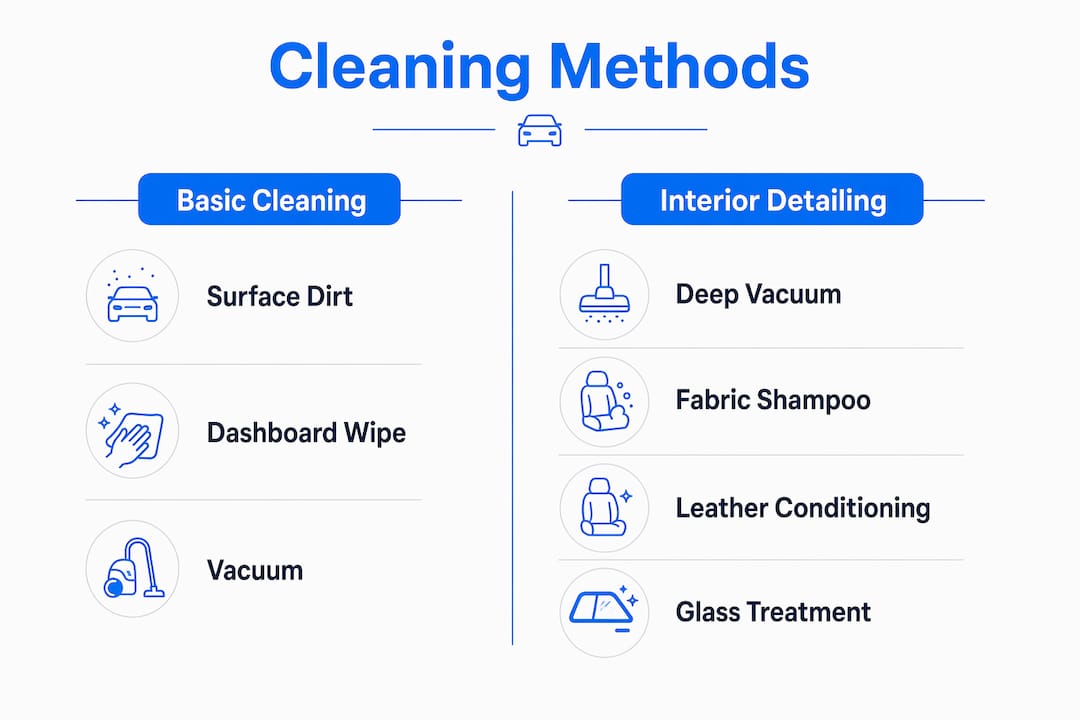
| Feature | Basic car cleaning | Interior detailing |
|---|---|---|
| Vacuuming depth | Surface level | Deep crevice and vent extraction |
| Fabric treatment | Wipe or light vacuum | Shampoo or hot-water extraction |
| Leather care | Wipe with damp cloth | Clean, condition, and protect |
| Odor treatment | Air freshener spray | Ozone or antibacterial treatment |
| Hard surface protection | None | UV-blocking dressing applied |
| Glass cleaning | Standard glass spray | Streak-free interior-specific method |
| Equipment used | Consumer-grade tools | Industrial-grade machines |
Exterior detailing, by contrast, focuses entirely on paint correction, wheel cleaning, tire dressing, and protective coatings like ceramic or wax. It does not address interior fabrics, trim, or odors. A full detail service covers both, but interior and exterior work require completely different products, tools, and skill sets. Treating them as interchangeable is a misconception that leads to underserviced vehicles.
The core distinction is this: basic cleaning maintains appearance, while interior detailing restores condition and protects materials against future degradation.
What tools and products are used in interior detailing?
Proper product matching to interior materials is one of the most technically demanding parts of the job. Using the wrong cleaner on leather can strip its protective coating. Using a harsh degreaser on vinyl can cause cracking. Professional detailers like those at Andrewsdetail carry a full range of material-specific products for exactly this reason.
The core equipment and products used in professional interior detailing include:
- Industrial-strength vacuum cleaners with crevice tools, brush attachments, and flexible hose extensions for reaching vents, seat rails, and door pockets.
- Steam cleaners or hot-water extraction machines for fabric seats and carpets. These machines inject hot water or steam into fibers and extract it along with dissolved dirt, producing a result that surface scrubbing cannot match.
- Leather cleaners and conditioners formulated specifically for automotive leather. Products from brands like Chemical Guys, Leather Honey, and 303 Products are widely used in professional settings.
- Non-abrasive interior surface cleaners safe for vinyl, rubber, and plastic without leaving a greasy residue or causing discoloration.
- Ozone generators for odor elimination. These machines produce ozone gas that breaks down odor-causing molecules at the molecular level rather than covering them with fragrance.
- Microfiber cloths and detailing brushes in multiple sizes for applying products and agitating surfaces without scratching.
Pro Tip: Never use an all-purpose cleaner on leather. It strips the surface coating and accelerates cracking. Always use a product labeled specifically for automotive leather.
Following the correct sequence and using appropriate cleaners avoids residue buildup and recontamination, which are the two most common reasons a detail job looks good for a week and then deteriorates quickly. The right tools matter, but technique and sequence matter just as much.
What are the real benefits of interior detailing?
The benefits of interior detailing extend well beyond a clean-looking cabin. They affect your health, your vehicle's lifespan, and its resale value in measurable ways.
Interior detailing improves vehicle hygiene by removing embedded bacteria, allergens, and odor-causing compounds that accumulate in fabric and carpet fibers over time. For anyone with allergies or respiratory sensitivities, this is a direct health benefit, not just a comfort upgrade.
The key benefits of regular interior detailing include:
- Improved air quality. Removing embedded dirt, pet dander, pollen, and mold spores from upholstery and carpets reduces the concentration of airborne particles inside the cabin.
- Odor elimination. Smoke, food, and pet odors bond to fabric fibers. Ozone treatment and antibacterial sprays break these bonds rather than masking them.
- Material preservation. Conditioning and UV protection treatments preserve leather, vinyl, and fabric surfaces, extending their usable life and preventing the fading and cracking that sunlight and heat cause.
- Higher resale value. A well-maintained interior signals to buyers that the vehicle has been cared for. Stained seats and cracked dashboards reduce perceived value immediately, even when the mechanical condition is excellent.
- Driver and passenger comfort. A clean, odor-free cabin with conditioned surfaces is a noticeably better environment to spend time in. This is especially relevant for long commutes or family vehicles.
- Support for regular upkeep. A professionally detailed interior is easier to maintain between sessions. Dirt and stains accumulate faster on unprotected surfaces than on treated ones.
Consistent interior detailing combined with regular maintenance improves air quality, hygiene, and the overall driving experience in ways that a single deep clean cannot sustain on its own.
Key takeaways
Interior detailing is a multi-step restoration process that cleans, conditions, and protects every interior surface, producing results that basic cleaning and exterior services cannot replicate.
| Point | Details |
|---|---|
| Definition of interior detailing | A systematic deep-clean and protection process covering all cabin surfaces, not just visible dirt. |
| Process sequence matters | Vacuuming before extraction before surface treatment prevents recontamination and ensures lasting results. |
| Product matching is critical | Using material-specific cleaners for leather, vinyl, and fabric prevents damage and residue buildup. |
| Health and hygiene benefits | Removing embedded allergens and bacteria improves cabin air quality beyond cosmetic appearance. |
| Resale and longevity value | Conditioned, protected surfaces resist wear and fading, preserving vehicle value over time. |
Why most people underestimate what interior detailing actually involves
I've worked on hundreds of vehicles, and the most common thing I hear from first-time clients is some version of "I thought it was just a really good vacuum." That misconception costs people money in the long run. When leather goes unconditioned for two or three years, it starts to crack. When fabric seats never get extracted, the bacteria and allergens embedded in those fibers don't disappear on their own. They accumulate.
What surprises most people is how much the sequence and product selection affect the outcome. I've seen well-intentioned DIY attempts where someone used a household cleaner on leather seats and permanently stripped the finish. The product wasn't wrong for cleaning in general. It was wrong for that specific surface. That's the technical knowledge that separates a professional detail from a thorough home cleaning.
The other thing I'd push back on is the idea that interior detailing is a luxury service. For anyone who drives daily, spends time in their car with kids or pets, or plans to sell their vehicle within the next few years, it's straightforward vehicle maintenance. Mobile detailing services now bring studio-grade equipment directly to your location, which removes the last remaining barrier of inconvenience. There's no reason to let your interior degrade when a professional service comes to you.
The driving experience in a properly detailed car is genuinely different. Surfaces feel right. The air smells clean. Nothing is sticky or faded. That's not a luxury. That's what a well-maintained vehicle is supposed to feel like.
— Andrew
Get professional interior detailing from Andrewsdetail
Andrewsdetail brings full professional interior detailing directly to your location in Lakewood, CA, with no drop-off required. Every service includes deep vacuuming, hot-water extraction for fabric and carpets, leather cleaning and conditioning, hard surface protection, odor treatment, and streak-free interior glass cleaning. The equipment used is commercial grade, the same standard found in professional detailing studios. Andrew handles every vehicle personally, matching products to your specific interior materials to avoid damage and deliver lasting results. If you're ready to experience what a properly detailed cabin feels like, book your mobile detail and have the service come to you.
FAQ
What does interior detailing include?
Interior detailing includes vacuuming, fabric or carpet shampooing, leather cleaning and conditioning, hard surface treatment with UV protection, odor elimination, and interior glass cleaning. A professional detailing overview describes this as a multi-step process covering every material inside the cabin.
How is interior detailing different from a car wash?
A car wash cleans exterior surfaces and may include a basic interior vacuum. Interior detailing is a separate, deeper process that treats fabric fibers, leather, hard trim, and odors using specialized equipment and material-specific products.
How often should you get interior detailing done?
Most vehicles benefit from a professional interior detail every three to six months, depending on usage. Vehicles used daily, or those regularly carrying pets or children, benefit from more frequent service to prevent material degradation and odor buildup.
Can interior detailing remove bad odors completely?
Yes, when ozone generators or antibacterial treatments are used. These methods break down odor-causing molecules at the source rather than masking them with fragrance, which is why they work on persistent smells like smoke and pet odor.
Does interior detailing help with resale value?
A well-maintained interior directly supports resale value. Stained seats, cracked leather, and faded trim reduce buyer confidence and perceived vehicle condition, even when mechanical systems are in good shape.